
Fast construction
Panels can be formed, reinforced, and cast on site while foundations, slab work, and steel procurement are progressing. Large walls can often be erected within a short construction window.
Blue Horizon Consulting Engineers Inc. provides structural engineering for tilt-up concrete buildings throughout Southern California, including warehouses, distribution centers, industrial buildings, commercial facilities, shell buildings, and tenant improvements.
Tilt-up construction is a method where reinforced concrete wall panels are cast horizontally on the building slab or a temporary casting slab, then lifted into place using cranes. After erection, the panels are temporarily braced until the roof structure, diaphragm, and permanent connections are completed.
This system is widely used for warehouses, logistics facilities, manufacturing buildings, retail centers, data centers, and office buildings because it combines speed, durability, cost efficiency, and architectural flexibility.
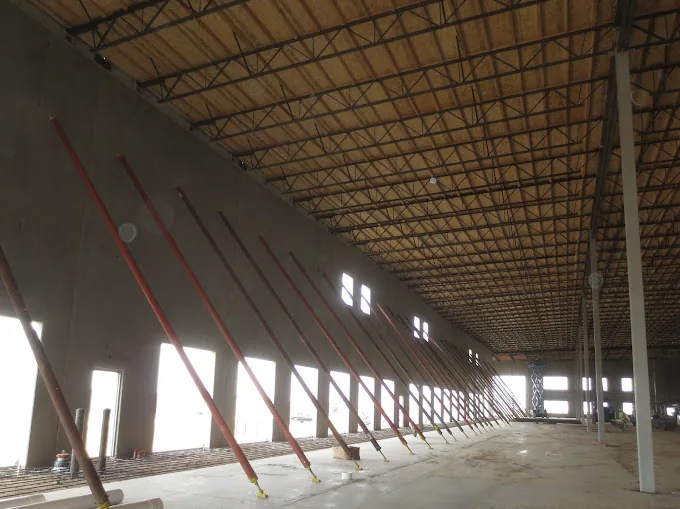
Tilt-up construction is one of the most efficient building systems for large commercial and industrial projects.
Panels can be formed, reinforced, and cast on site while foundations, slab work, and steel procurement are progressing. Large walls can often be erected within a short construction window.
For large footprints, tilt-up can reduce construction cost compared with masonry, precast, or structural steel buildings with separate exterior cladding systems.
Reinforced concrete wall panels provide long service life, impact resistance, fire resistance, weather resistance, and reduced long-term maintenance.
Modern tilt-up buildings can include reveals, form liners, texture, color, storefront systems, canopies, parapets, and high-quality commercial facades.
We provide complete structural design support for new tilt-up buildings, additions, shell buildings, tenant improvements, and upgrades to existing tilt-up structures.
Design of solid panels, panels with large openings, panels with dock doors, tall panels, parapets, pilasters, reveals, and architectural features.
Analysis of roof diaphragm forces, collectors, drag struts, chord forces, shear transfer, roof-to-wall anchorage, and lateral force-resisting systems.
Continuous footings, isolated footings, grade beams, slab coordination, panel bearing, overturning resistance, and foundation details coordinated with geotechnical criteria.
Panel-to-foundation, panel-to-panel, roof-to-wall, embed plates, ledger connections, steel framing connections, and diaphragm anchorage details.
Evaluation of seismic forces, wind pressures, parapet forces, out-of-plane panel response, in-plane shear behavior, drift, anchorage, and diaphragm compatibility.
Coordination for temporary bracing, panel lifting, erection loads, lift insert locations, sequencing, and constructability issues when requested by the project team.
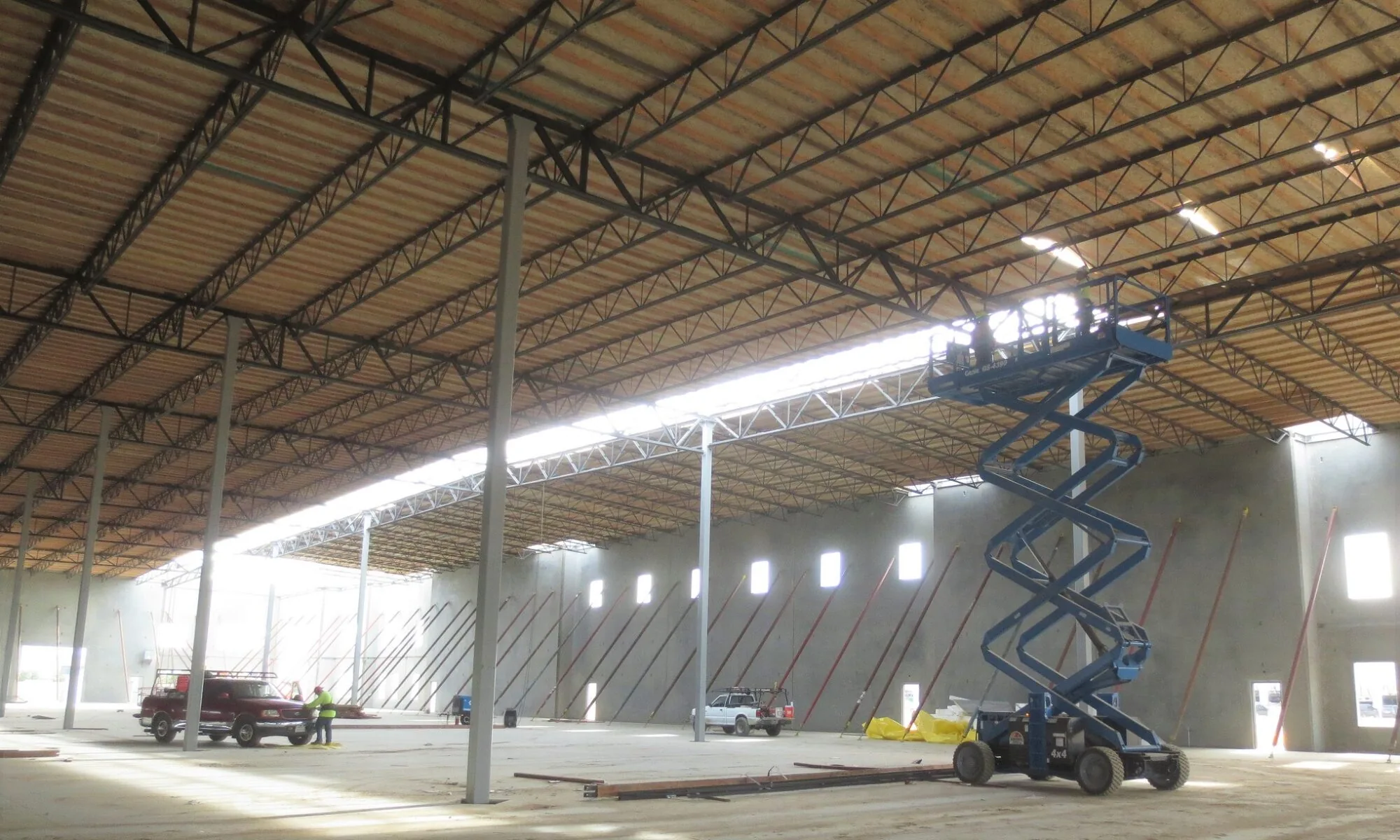
Tilt-up design requires more than sizing a wall panel. The building must perform safely during construction, during service, and under wind and seismic loading.
Successful tilt-up projects require early coordination between the architect, structural engineer, contractor, and panel erection team.
Panel widths, heights, joint locations, casting space, crane access, and erection sequence should be considered early in the design process.
Door and window locations affect reinforcement, lintel behavior, panel stresses, deflection, and the final appearance of the building.
Architectural reveals and textures improve appearance but must be coordinated with reinforcing steel, embed plates, lifting inserts, and minimum concrete cover.
Shell buildings should anticipate future openings, mezzanines, rooftop units, equipment loads, dock equipment, and tenant-specific structural modifications.
A clear load path is the foundation of good tilt-up building design.
Explore additional structural engineering pages related to tilt-up concrete buildings and industrial projects.
Tilt-Up Warehouses · Tilt-Up Shell Tenant Improvements · Industrial Buildings · Commercial Tenant Improvements · Seismic Retrofit · Foundations & Footings
Planning a tilt-up warehouse, industrial facility, commercial shell building, or tenant improvement?
Blue Horizon Consulting Engineers Inc. can help develop a structural design scope that supports permitting, constructability, and long-term performance.